- Join ArkSHA
Make the Call! Autism Evaluations + Role of the SLP
Make the Call! Autism Evaluations + Role of the SLP
Abstract
Presenters
Natalie Welcher
Natalie is a speech-language pathologist from El Paso, Arkansas, earning her master’s degree from the University of Central Arkansas. She is a member of ASHA and the Arkansas Speech-Language and Hearing Association, where she serves as their board secretary. Her clinical experience is with both pediatric and adult populations, within clinic and school settings. Her current role on the Prevention Pilot Program with the University of Arkansas Partners and Arkansas Department of Human Services (DHS) has allowed her to continue evaluation and training practices related to her passion of fetal alcohol spectrum disorders (FASD) and other neurodevelopmental disorders, such as Autism Spectrum Disorder (ASD). With her main initiative on the Pilot Program involving the expansion of diagnostic practices across the state through the Statewide Practice of Interdisciplinary Clinical Evaluation (SPICE) Model, she has been able to work with medical and allied health provides to provide evaluation access to children and families in their “own backyard.” Her personal interests include spending time with her family (Brody, Beau, and Barrett), venturing to excellent restaurants, traveling with friends, and “country life” things.

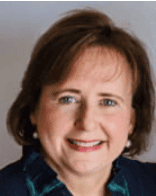
Connie Bracy
Connie Bracy is employed by Partners, Arkansas’ University Center for Developmental Disabilities Education, Research & Service, a program of the University of Arkansas, Fayetteville, College of Education and Health Professions. Connie is an experienced professional with over 30 years of experience in various roles including direct therapeutic intervention for children and youth, coordinating outreach therapies (OT, PT, SLP), and providing and coordinating consultation services to school districts. Many of her roles included upper management responsibilities in areas of personnel, programmatic development, and financial management. Connie loves direct contact with children but is also skilled at supporting others to engage in providing evidence-based practices for a variety of developmental and mental health conditions. She is an experienced diagnostician and has brought her expertise to the diagnostic team with the Prevention Pilot Program, currently supported by the Department of Human Services, strengthening the evaluation process and improving the outcomes for children and families.
Learner Objectives
- As a result of this information, the participant will be able to list the 3 professionals Arkansas Medicaid guidelines identifies as professionals that can conduct autism evaluations and provide an individual with a medical diagnosis of autism spectrum disorder.
- Following this presentation, the participant will be able to tell other professionals of the Arkansas Medicaid billing codes available to speech-language pathologists to complete autism spectrum disorder evaluations.
- At the end of this presentation, the participant will be able to identify diagnostic tools and procedures that can be used to conduct an autism evaluation.
- Participants will be able to identify resources that will assist them in report writing when conducting an autism evaluation at the end of this presentation.
Timed Outline
- 2 min: Introduction
- 10 min: Overview of Act 656
- 10 min: Autism Spectrum Disorder Diagnosis Coding for Speech-Language Pathologist
- 15 min: Screening/Evaluation Tools
- 10 min: DSM-5 Diagnostic Criteria for ASD
- 10 min: Report Writing Resources
- 3 min: Questions/Discussion